Someone Else's Underlines: How the Scribbled Margins of Used Books Are Becoming Unlikely Community Archives
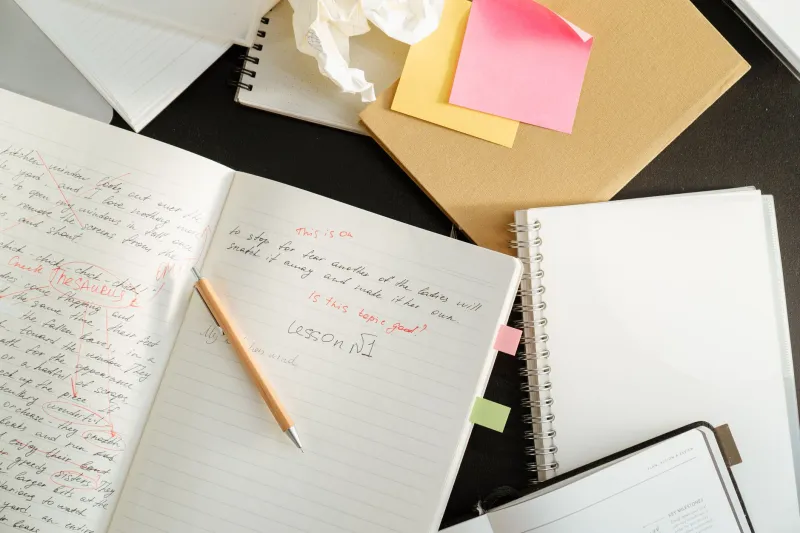
Somewhere in a used bookstore in Asheville, North Carolina, there's a worn copy of The Bell Jar with a single sentence underlined in red pen and three words written beside it in the margin: she gets it. No name. No date. Just those three words, pressed into the paper by someone who needed to feel understood badly enough that they reached for a pen.
That book has been bought and resold at least twice since then. The current owner, a college student named Deja, has no idea who wrote it. But she says she thinks about that person every time she opens the cover.
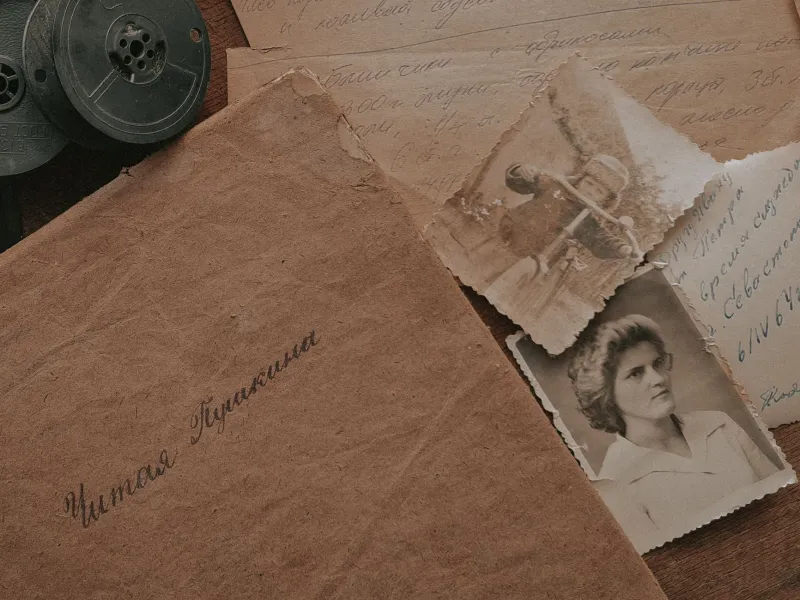
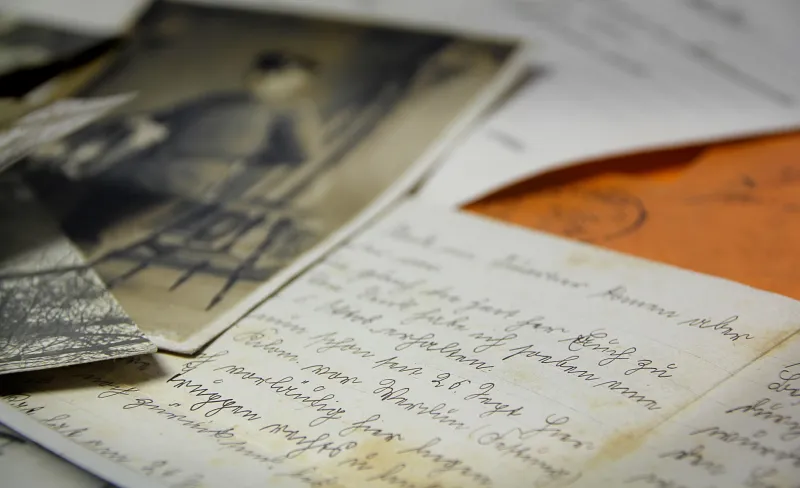
This is the quiet life of marginalia — the annotations, underlines, circled paragraphs, and handwritten arguments that readers leave behind in books they eventually let go. And across the country, a loose, informal community of used bookstore owners, collectors, and just plain readers is beginning to treat these marked-up pages as something worth preserving. Not as footnotes to famous authors, but as windows into the interior lives of completely ordinary people.
The Archive Nobody Planned
Marginalia has a long, prestigious history. Scholars have spent careers studying the notes that John Adams or Mark Twain scrawled in their personal libraries. But the marginalia showing up in the donated boxes at your local used bookstore? That stuff belongs to nobody famous. It belongs to a retired nurse in Tulsa who argued with Hemingway in blue ballpoint. To a teenager in suburban Ohio who underlined every passage about loneliness. To whoever wrote wrong wrong WRONG across an entire page of a political memoir and then, apparently, sold the book anyway.
Marcus Webb has run a used bookstore in Portland, Oregon for going on eleven years. He started keeping a notebook a few years back — not of rare finds or valuable editions, but of the most striking marginal notes he came across while pricing donations. "I'd find something that just stopped me cold," he says. "A grocery list tucked in chapter four. A phone number with a heart drawn next to it. Someone had written 'I read this the summer Dad died' on the inside back cover of a John Grisham novel. I couldn't just price it and shelve it without writing it down somewhere."
Marcus isn't alone. Online communities dedicated to found marginalia have been building quietly for years — Reddit threads, Instagram accounts, even a few small zines — where people photograph and share the handwritten traces left inside secondhand books. The tone in these spaces is less academic and more reverent. Less look what I found and more look who was here.
What the Margins Actually Say
If you spend enough time with annotated used books, certain patterns start to emerge. Readers argue with authors they love. They circle words they had to look up and never quite mastered. They draw stars next to lines that hit too close. They write names — sometimes their own, sometimes someone else's — in contexts that make you wonder.
Lorena Castillo runs a community book exchange out of a church basement in San Antonio. The exchange operates on a simple honor system: take a book, leave a book. Over five years, she's built an informal collection of the most heavily annotated volumes that pass through. "Some of them read like diaries," she says. "Someone had gone through an entire copy of The Alchemist and written their own life story in the margins, chapter by chapter. It wasn't about the book anymore. The book was just the structure they needed to hold their thoughts."
Lorena's collection has started drawing interest from a local community college, which is exploring whether the annotated books might form the basis of a public exhibit. The concept: an archive of ordinary readers, sorted not by author or subject but by the emotional texture of what people left behind. Grief. Anger. Joy. The particular kind of loneliness that makes you underline a sentence three times.
Strangers Across Time
There's something genuinely radical about the idea that a book can carry a conversation across decades and zip codes without either party knowing the other exists. You buy a used copy of Their Eyes Were Watching God and discover that someone before you — someone you will never meet — felt compelled to write yes, finally next to a passage about self-determination. That's a connection. It's faint and it's one-sided and it crosses no bridge you can see, but it's real.
For communities that have historically been excluded from official archives and institutional memory, this kind of informal documentation matters more than it might seem. The marginalia left in books donated to community exchanges and neighborhood libraries reflects the intellectual and emotional lives of people who weren't writing op-eds or being interviewed by historians. They were just reading, and thinking, and occasionally talking back to the page.
That's exactly why Darnell Hughes, who coordinates a literacy program in Baltimore, started photographing annotated books before they get cleaned up and reshelved. "We talk a lot about whose stories get preserved," he says. "These margins are full of stories from people who never thought of themselves as having a story worth keeping. But they were working through ideas. They were processing hard things. They were alive in those pages."
The Ethics of the Found Note
Not everyone is comfortable with the idea of treating private annotations as public record, even anonymously. There's a reasonable argument that someone who wrote a raw, personal note in a book margin and then donated it didn't necessarily intend for that note to end up in an exhibit or an Instagram post.
Most collectors and bookstore owners who engage with this material are thoughtful about the line. The general consensus leans toward sharing the literary and emotional without exposing anything that could identify a specific person. The goal isn't exposure — it's recognition. Acknowledging that reading is an intimate act, and that the traces it leaves are worth something.
Marcus Webb puts it simply: "I'm not trying to out anybody. I'm just trying to say — hey, someone was here. Someone was thinking hard about this. That matters."
Come Find Someone in the Stacks
If you haven't looked closely at the margins of a used book lately, it might be worth trying. Not every annotated copy holds something profound — plenty of them just have someone's name written inside the front cover, a relic of a middle school teacher's attempt to keep track of classroom copies. But every now and then, you'll find a sentence that someone underlined so hard the pen nearly went through the page, and you'll know, without knowing anything else about them, that they meant it.
That's the open exchange the margins offer. No platform required. No profile to build. Just two people and a book, separated by years and miles, briefly sharing the same thought.
Somebody got it. Somebody always got it. And now, quietly, we're starting to save the proof.